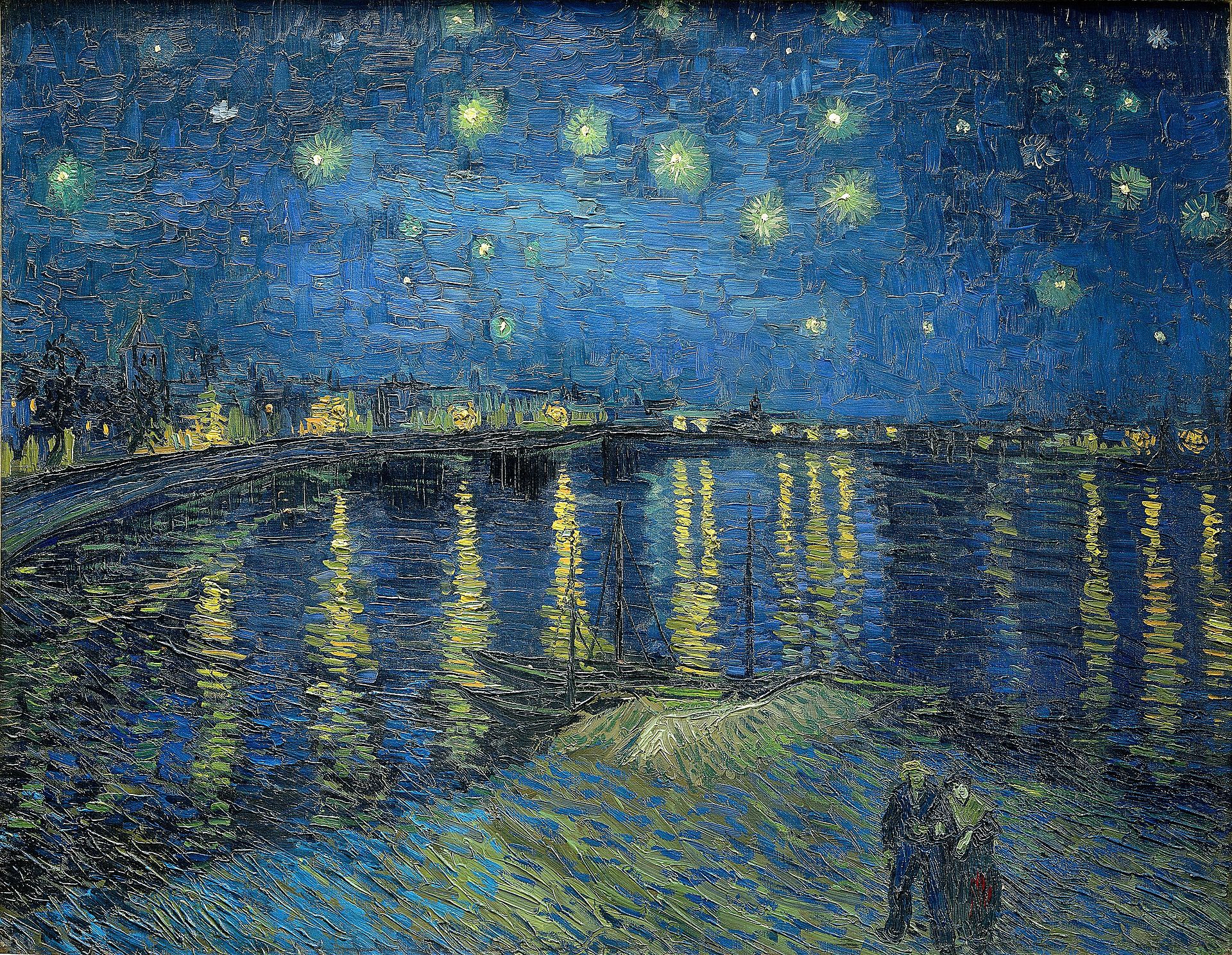
Fyodor Dostoevsky · 1848 · Garnett translation, 1918
White Nights
White Nights is Fyodor Dostoevsky’s 1848 novella about a solitary dreamer who meets Nastenka on a Petersburg embankment over four summer nights. In IO reader it reads in Reels — one paragraph per swipe — or in sentence cards, about 76 minutes at a card every four seconds. The Garnett translation is public domain, so it is free and unabridged.


Read the opening in Reels
PART I · PARAGRAPH
It was a wonderful night, such a night as is only possible when we are young, dear reader. The sky was so starry, so bright that, looking at it, one could not help asking oneself whether ill-humoured and capricious people could live under such a sky. That is a youthful question too, dear reader, very youthful, but may the Lord put it more frequently into your heart!... Speaking of capricious and ill-humoured people, I cannot help recalling my moral condition all that day. From early morning I had been oppressed by a strange despondency. It suddenly seemed to me that I was lonely, that every one was forsaking me and going away from me. Of course, any one is entitled to ask who "every one" was. For though I had been living almost eight years in Petersburg I had hardly an acquaintance. But what did I want with acquaintances? I was acquainted with all Petersburg as it was; that was why I felt as though they were all deserting me when all Petersburg packed up and went to its summer villa. I felt afraid of being left alone, and for three whole days I wandered about the town in profound dejection, not knowing what to do with myself. Whether I walked in the Nevsky, went to the Gardens or sauntered on the embankment, there was not one face of those I had been accustomed to meet at the same time and place all the year. They, of course, do not know me, but I know them. I know them intimately, I have almost made a study of their faces, and am delighted when they are gay, and downcast when they are under a cloud. I have almost struck up a friendship with one old man whom I meet every blessed day, at the same hour in Fontanka. Such a grave, pensive countenance; he is always whispering to himself and brandishing his left arm, while in his right hand he holds a long gnarled stick with a gold knob. He even notices me and takes a warm interest in me. If I happen not to be at a certain time in the same spot in Fontanka, I am certain he feels disappointed. That is how it is that we almost bow to each other, especially when we are both in good humour. The other day, when we had not seen each other for two days and met on the third, we were actually touching our hats, but, realizing in time, dropped our hands and passed each other with a look of interest.
It was a wonderful night, such a night as is only possible when we are young, dear reader.
White Nights · Fyodor Dostoevsky · tr. Constance Garnett
Interactive demo — real text, web replica of the reading view
Read it with a reading companion
Contextualizes the passage in its historical and cultural moment.
Read it with the Historian in IO reader.
The facts
| Length | about 17,800 words · 1,140 sentences |
|---|---|
| In sentence cards | about 76 minutes |
| Difficulty | gentle |
| First line | It was a wonderful night, such a night as is only possible when we are young, dear reader. |
| Themes | First Night · Second Night · Nastenka's History · Third Night · Fourth Night · Morning |
Is White Nights hard to read?
No. It is a short novella in plain, lyrical sentences — the gentlest way into Dostoevsky, and in sentence cards it reads in about 76 minutes.
Which translation is this?
Constance Garnett's 1918 translation, in the public domain.
How long is White Nights?
About 17,800 words in six sections; roughly 1,140 sentences.
Read White Nights in IO reader
Colophon
Text: Garnett translation, 1918, from Project Gutenberg (pg:36034). Cover: Vincent van Gogh, Starry Night Over the Rhône (1888), public domain — substitute art, not the edition cover. Reviewed 2026-09-04.